Drug courts work — I've seen it
May 4, 2011
Jamey Hueston is presiding judge of the Baltimore City District Court's Adult Drug Treatment Court.
As
the judge in charge of the Baltimore City District Court Drug Court for
the past 17 years, and the current chairperson of the state's Judicial
Conference Commission on Problem Solving Courts, I am disturbed by
recent articles in this paper and elsewhere attacking drug courts as
ineffective, essentially calling for drug use to be treated outside of
the criminal justice system, and incorrectly asserting that drug courts
are most effective for individuals who do not have a drug problem. This
is patently incorrect, as proven by evaluations that document the
significant effect of drug courts on reducing crime and saving lives.
According
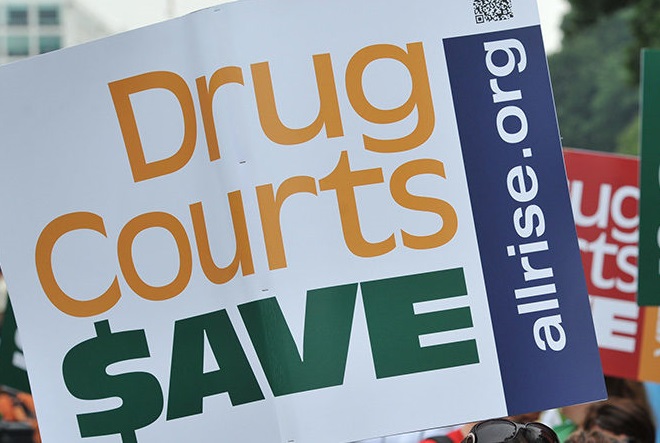
to the National Association of Drug Court Professionals, drug courts on
average return to the community $7 for every $1 invested (and up to $27
for every $1 invested, when factoring in savings from reduced foster
care placements, health care services and other cost offsets). A
cost-benefit study of the Baltimore City Drug Court showed almost $3
million in total cost savings for all participants during the three-year
study period.
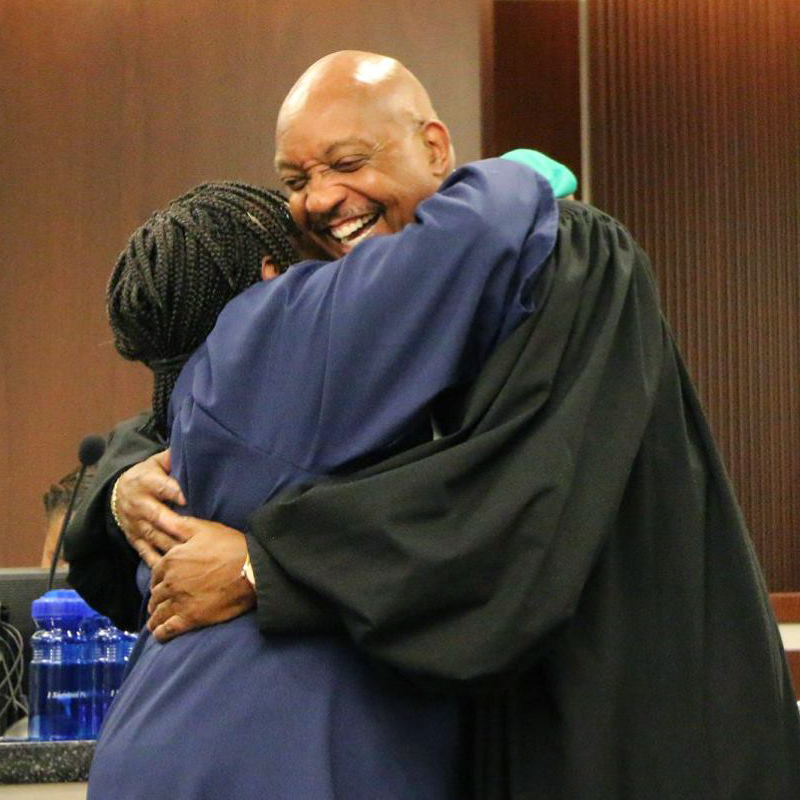
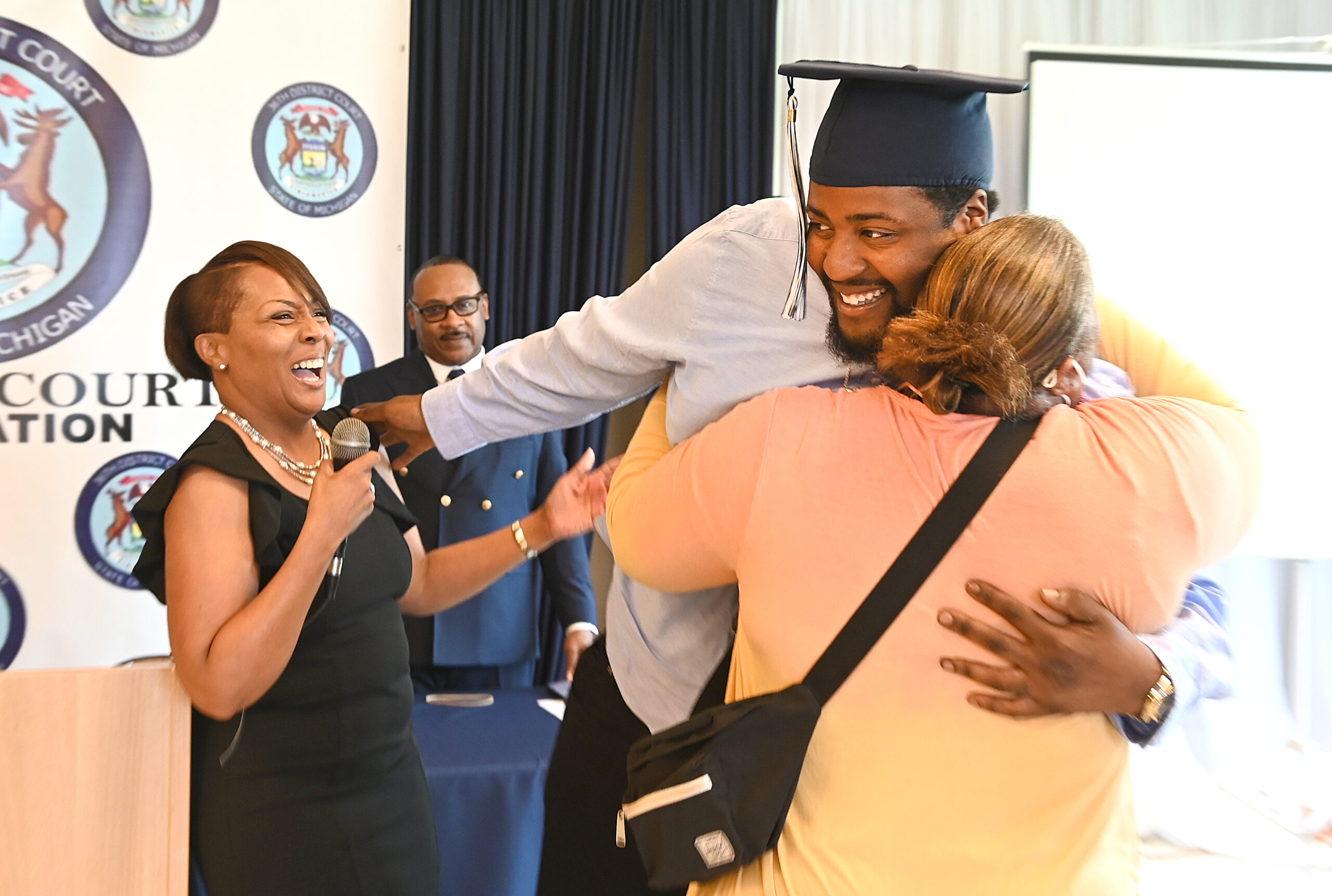
These benefits were evident when I recently
presided over the 38th Baltimore City Drug Court graduation.
Thirty-three individuals whose families and communities had been
devastated by their lengthy drug addiction boasted almost one year of
drug-free and responsible behavior. These graduates have transformed
heartbreaking accounts of loss and struggle into narratives of hope and
success.
During my tenure, I have heard countless testimonies to
the success of drug court from participants who have broken the cycle of
addiction. One graduate who sold his children's Christmas gifts to
support a 20-year heroin habit was invited to share his family's
Christmas dinner after achieving sobriety. I remember "Sarah," who
became partially blind while "chasing the high" but regained her
children and freedom from drugs after completing drug court.
Not
everyone successfully navigates the hazards of drug addiction in drug
court. Some participants simply cannot break the shackles of drugs,
especially in a city where temptation lurks on so many street corners.
However, success is measured in different ways, and many of these
nongraduates remain drug- and crime-free for longer periods, adopting
many drug-free behaviors. When considering that a standard measure of
treatment success is the reduction of drug-use days, our drug court has a
profound impact on illegal activity and provides a strategy for saving
criminal justice system costs and resources compared to traditional
court processing.
In drug court, participants are supervised by
dedicated probation agents. They receive biweekly drug testing and
intensive treatment and are connected to a support group. Participants
are monitored by a judge who motivates and holds them strictly
accountable for their actions by providing incentives for positive
behavior and sanctions to discourage inappropriate conduct, ranging from
reprimands and community service to short jail stays to encourage
behavioral changes. Additionally, a social worker tackles mental health
problems and case managers offer a variety of support services.
Participants receive care, supervision and services that are simply not
possible in the traditional probation system.
Baltimore City's
Drug Court serves the most seriously and chronically addicted, most of
whom have been addicted to drugs for decades and come from impoverished
areas replete with generational drug usage and violence. Most use $40 to
$200 worth of heroin or cocaine daily and commit countless crimes to
support their habits. Most would be imprisoned if not in drug court, and
they would be contributing to the roughly $2.2 billion in costs to
Maryland from illicit drug abuse, according to the Maryland Policy
Report, "The Price Tag on Addiction."
Our participants enter drug
court with their spirits broken, having lost everything: home, job,
family, self-respect, health. At graduation, they are drug free, often
for the longest period in their addiction history, having rebuilt lost
lives and regained a sense of self-worth. Most enter unemployed and
leave gainfully employed. They begin drug court consumed with feeding
their addiction and end it nourishing their children and families. Most
enter the program through the jail door and leave through the front door
— to freedom.
It is difficult to quantify the value of a life
returned to normalcy. However, the feeling when holding a drug-free baby
born to a recovering drug-addicted mother is unrivaled. During my 20
years serving on the bench, after my career as a prosecutor, no
courtroom experience has been as uplifting, powerful or transformative
as drug court.
I would do it for another 20 years.